Green Initiatives: How E-Waste Recycling Services Are Protecting Our Planet
Electronic waste presents serious dangers to the environment, as abandoned electronic devices commonly carry harmful materials. These hazardous substances can contaminate soil and water, resulting in widespread environmental harm. E-waste recycling services present a viable solution. They not only recover valuable resources but also mitigate pollution. Gaining insight into how these programs function and affect local communities is critical. The path to successful electronic waste management prompts vital discussions about personal accountability and communal efforts. What measures can be pursued from this point onward?
The Reasons E-Waste Is Damaging to the Planet
Although technology enriches contemporary living, electronic waste presents significant environmental threats. Disposed electronic equipment, frequently composed of dangerous compounds like mercury, lead, and cadmium, may release harmful substances into soil and groundwater, presenting dangers to both wildlife and human well-being. The accelerating rate of technological innovation contributes to higher rates of electronics disposal among consumers, worsening the buildup of e-waste.
Landfills, already strained by waste, are unable to keep up with the rising quantities of abandoned electronics. Incineration, another disposal method, releases harmful pollutants into the atmosphere, contributing to air quality degradation. In addition, improper recycling practices can lead to the exportation of e-waste to developing countries, where laborers may dismantle devices without adequate safety measures, exposing themselves to dangerous substances. This pattern of negligence and mismanagement highlights the critical demand for eco-friendly recycling alternatives that can reduce the damaging impact of electronic waste on the environment.
Understanding E-Waste and Its Significance
Electronic waste, commonly known as e-waste, encompasses discarded electronic devices including computers, smartphones, and televisions that are no longer functional or needed. This growing category of waste is significant due to its rapid accumulation, driven by technological advancements and consumer trends. As more devices become obsolete, the toll on the environment grows more severe, with dangerous elements including lead, mercury, and cadmium presenting serious hazards to the environment and human well-being.
The significance of tackling e-waste extends beyond minimizing these risks to recognizing the valuable resources it holds. Valuable metals and rare earth materials can be extracted and repurposed, lessening the demand for mining and preserving natural resources. Through a deeper awareness of e-waste and its consequences, both individuals and organizations can make well-informed choices regarding disposal and recycling, thereby supporting a more sustainable future. Responsible management of e-waste plays a key role in supporting a circular economy and championing environmental stewardship.
How the E-Waste Recycling Process Works
Recycling e-waste involves a structured approach intended to extract beneficial components while minimizing environmental impact. Initially, discarded electronics are retrieved and sent to purpose-built recycling plants. Once there, the equipment is meticulously organized to separate hazardous components from recyclable materials.
Next, specialists take apart the devices, extracting plastics, metals, and glass. This phase is essential, as it facilitates the reclamation of rare metals like gold, silver, and copper, which can be recycled in new electronic products.
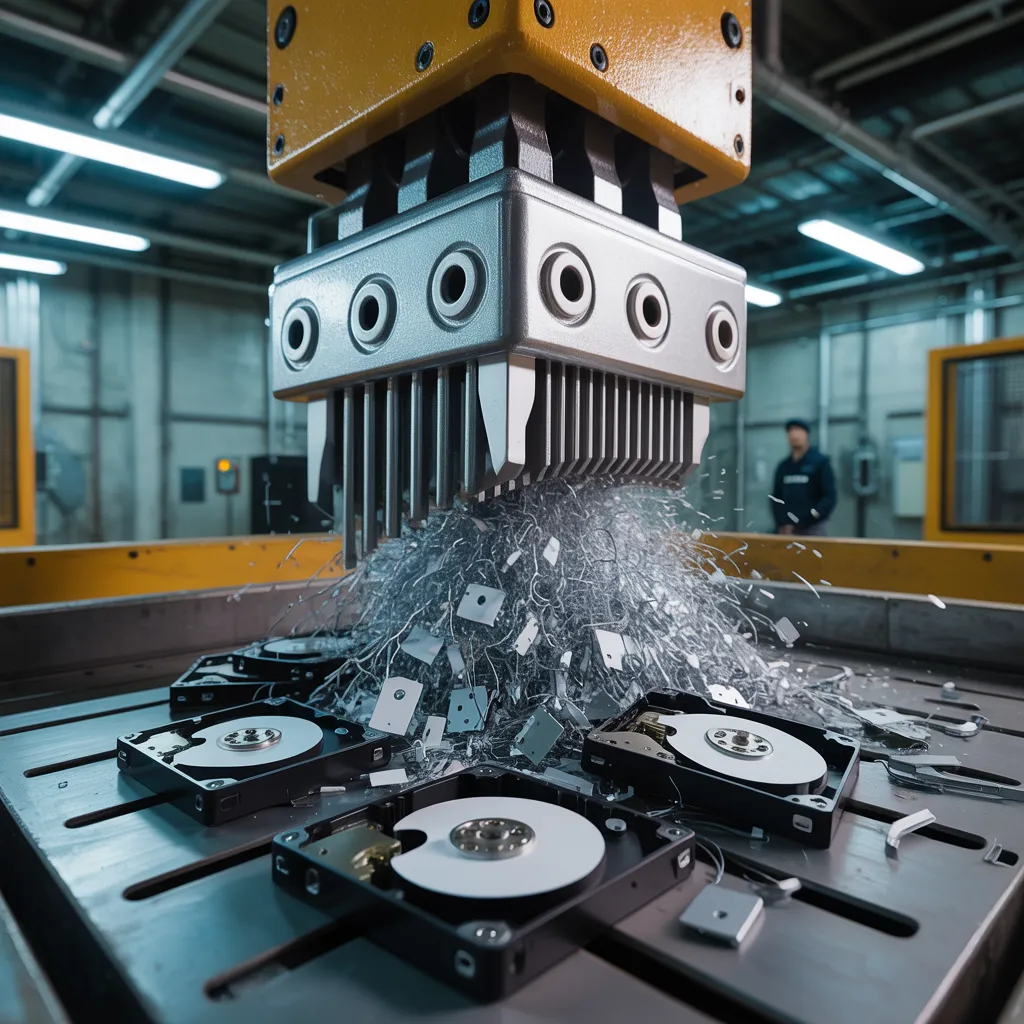
Next, the separated materials are refined using sophisticated techniques, such as shredding and specialized chemical treatments, to prepare them for further use.
Finally, the leftover hazardous waste is handled with responsibility, following environmental regulations. This multi-step approach not only saves important resources but also reduces the dangers associated with irresponsible electronic waste disposal, ensuring a more sustainable future for electronic device usage.
Why E-Waste Recycling Matters for You and Your Community
Although it often goes unnoticed, the advantages of e-waste recycling go far beyond individual benefit and actively shape entire communities. By responsibly disposing of electronic waste, individuals help foster a cleaner environment, decreasing hazardous materials that can seep into soil and water. This forward-thinking practice actively safeguards local ecosystems and supports public health.
Furthermore, electronic waste recycling supports the creation of jobs in communities. Regional recycling Learn more centers frequently need staff for various operations, covering everything from collection to processing, thus generating valuable job opportunities within the community. This not only boosts the local economy but also fosters community involvement in eco-friendly practices.
In addition, knowledge about e-waste recycling is capable of inspiring learning opportunities, equipping residents to make environmentally conscious decisions. By taking part in e-waste recycling programs, individuals nurture a culture of sustainability, motivating others to follow suit. All things considered, the cumulative impact of these actions can result in a more strong and environmentally aware community.
Tips for Choosing an E-Waste Recycling Service
Picking the best electronic waste recycling provider is crucial for guaranteeing that e-waste is managed responsibly and sustainably. First, people should check the company's credentials, such as R2 and e-Stewards certifications, which signify conformance to professional guidelines for responsible recycling methods. It's also important to examine the provider's standing by reviewing feedback and looking for advice from dependable sources.
Moreover, openness in the recycling process is crucial. A trustworthy company should provide clear information about the manner in which e-waste is managed and what happens to the materials. Additionally, evaluating the range of services offered can be beneficial; various firms may supply retrieval services or extend benefits for recycling.
Finally, understanding local guidelines related to e-waste disposal may further shape the evaluation process. By taking these elements into account, consumers can play a role in successful electronic waste reduction while supporting green and responsible behaviors.
How You Can Take Part in E-Waste Recycling?
Engaging in e-waste recycling can start at the local level, where community recycling hubs regularly supply essential services for responsible disposal. Moreover, taking part in community awareness campaigns can enhance efforts to educate others about the importance of proper e-waste handling. These actions not only promote sustainability but also cultivate a collective sense of stewardship of the environment.
Regional Recycling Centers
Many community recycling facilities perform an important function in the recycling of e-waste, giving communities practical solutions to manage electronic waste appropriately. These facilities handle a wide array of digital devices, including used computers, handheld devices, and televisions, guaranteeing that dangerous substances are processed safely. The majority of facilities employ experienced team members who can guide individuals on proper disposal methods, underscoring the benefits of recycling compared to landfilling. Furthermore, various hubs coordinate drop-off events or designated collection days, enabling residents to engage without difficulty. By engaging with these local facilities, community members advance a circular economy, decreasing environmental damage and advancing sustainable approaches. Partnering with these facilities empowers communities to take action against e-waste pollution effectively.
Community Awareness Campaigns
Local organizations, schools, and businesses can work together to organize events that support e-waste collection drives. Dedicated participants can take a leading part in raising awareness, sharing informational resources, and connecting with local residents. Through these collective efforts, residents become more informed and motivated to recycle their electronic waste, ultimately contributing to a more sustainable future.
Common Questions and Answers
What Types of Electronics Can Be Recycled?
Many different electronics can be recycled, including computers, smartphones, televisions, laptops, gaming consoles, and printers. Additionally, ancillary devices such as mice, keyboards, and batteries are also suitable for recycling, aiding in sustainable environmental practices.
Are There Any Costs Associated With E-Waste Recycling?
That's correct, electronic waste recycling sometimes comes with charges, subject to the service provider. Some service centers apply costs for collection or processing, while others offer free services, typically funded by the resale of recovered materials.
What Are the Benefits of E-Waste Recycling for Businesses?
Businesses can benefit from e-waste recycling by reducing disposal costs, enhancing their environmental image, meeting compliance standards, extracting valuable resources, and possibly earning income through resale, thus supporting a greener and more sustainable operational framework.
What Happens to Data on Recycled Devices?
Details from repurposed electronics is commonly completely removed or destroyed during processing. This guarantees sensitive information is kept safe, blocking unwanted intrusion while allowing components to be recycled securely and sustainably within new applications.
Are Broken Electronics Eligible for Recycling?
Indeed, non-functioning electronics can be recycled. Many facilities process damaged devices, providing proper disposal and retrieval of valuable materials. It helps lower the environmental footprint while promoting sustainable recycling habits to address electrical waste effectively.